

July 8, 2026
•
7 MIN READ
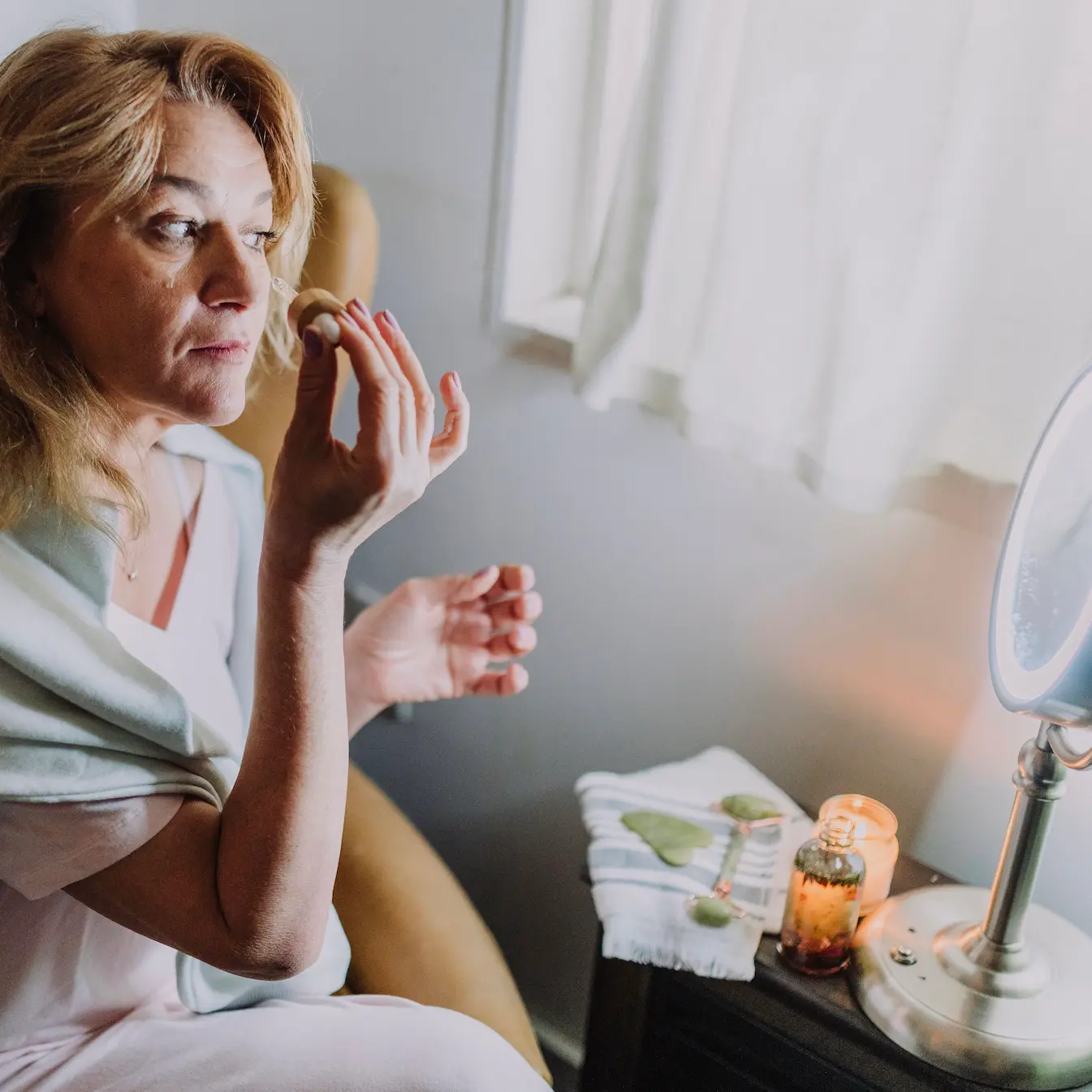
The way we talk about ageing skin is changing.
For years, skincare marketing focused on "anti-ageing", creating the impression that ageing was something to fight against. Today, many people are taking a different approach. Instead of trying to turn back the clock, they're looking for ways to support their skin as it naturally changes with age.
As skin changes with age, many people notice increased dryness, a loss of radiance, and a feeling that their usual skincare routine no longer provides the same level of comfort.
While no skincare product can stop the ageing process, the right routine can help support healthy, comfortable, radiant-looking skin. Face oils are one example. They can help strengthen the skin barrier, replenish the skin's natural lipids, and deliver ingredients that support skin as it changes over time.
As skin ages, it naturally produces less oil and loses moisture more easily. Face oils help replenish the skin's natural lipids, support the skin barrier, and reduce moisture loss. Carefully chosen plant oils can provide valuable nourishment on their own, while active ingredients such as bakuchiol and Coenzyme Q10 can offer additional support for concerns such as dullness and the appearance of fine lines.
Ageing is a natural part of life, but it brings several changes that affect the way our skin looks and feels.
Over time, the skin produces less oil, making it more prone to dryness and dehydration. The rate of cell turnover slows, which can contribute to dullness and uneven skin texture. Levels of collagen and elastin gradually decline, reducing the skin's firmness and elasticity.
For many women, some of the most noticeable skin changes begin during perimenopause and continue after menopause. As oestrogen levels decline, the skin often becomes thinner, drier, and less resilient, while hydration, elasticity, and barrier function may also be affected.
These changes are completely normal, but they can leave skin feeling less comfortable and more vulnerable to environmental stressors.
The skin barrier is the outermost layer of the skin. Its job is to keep moisture in and irritants out.
As skin changes with age, this protective barrier can become less efficient. When the barrier is compromised, moisture escapes more easily, leaving skin feeling dry, tight, and uncomfortable.
This is one reason why many people find face oils particularly beneficial as their skin changes with age. Face oils help replenish the skin with nourishing lipids while reducing transepidermal water loss (TEWL), the process through which water naturally evaporates from the skin.
Supporting ingredients such as ceramides can also be helpful within a wider skincare routine, particularly in moisturisers designed to support the skin barrier.
If you'd like to learn more, read my guide to repairing and supporting the skin barrier.
As the skin naturally produces less oil with age, it often needs more support to stay comfortable and hydrated.
Face oils help replenish the skin's natural lipids, adding nourishment and helping skin feel more comfortable while supporting the skin barrier and reducing water loss. This can help skin feel softer, smoother, and more comfortable while supporting healthy-looking skin over time.
Many modern face oils also combine nourishing plant oils with active ingredients and antioxidants, allowing them to support concerns such as dryness, dullness, and the appearance of fine lines alongside everyday barrier support.
It's important to remember that a face oil doesn't need added active ingredients to be beneficial.
Many plant oils naturally contain essential fatty acids, antioxidants, and vitamins that help support the skin barrier and reduce moisture loss. For skin that feels drier, less comfortable, or more prone to dehydration with age, a well-formulated blend of plant oils can make a noticeable difference on its own.
Different plant oils offer different benefits, which is why formulators often blend several together. By combining oils with complementary properties, it's possible to create a formula that supports hydration, barrier function, comfort, and overall skin health.
Argan oil
Rich in omega 6 and omega 9 fatty acids, argan oil helps nourish the skin, improve hydration, and support the skin barrier. Naturally high in vitamin E and other antioxidants, it helps protect the skin from environmental stressors. Its soothing properties and ability to support soft, supple-looking skin make it a popular choice for skin that feels drier or less resilient with age.
Rosehip oil
Known for its ability to support a brighter, more even-looking complexion, rosehip oil is often included in age-supportive skincare. It helps improve skin hydration and elasticity and is commonly used to reduce the appearance of scars, uneven skin tone, and dull-looking skin.
Raspberry seed oil
Naturally rich in omega-3 fatty acids, plant sterols, and vitamin E, raspberry seed oil is valued for its soothing and protective properties. It helps support the skin barrier, calm redness, and leave skin feeling comfortable and nourished. Its antioxidant content also helps defend the skin against environmental stressors.

These are just a handful of the plant oils used in age-supportive skincare. Formulators often combine several oils together, allowing them to draw on the unique benefits of ingredients such as pomegranate, cherry kernel, sea buckthorn, and jojoba oil alongside more familiar favourites.
That said, modern skincare ingredients can take a face oil a step further. By combining nourishing plant oils with ingredients such as bakuchiol, Coenzyme Q10, or vitamin C, it's possible to support not only hydration and barrier function, but also concerns such as dullness, uneven skin tone, and the appearance of fine lines.
For many people, the most effective approach is not choosing between plant oils and active ingredients, but benefiting from both.
While carefully chosen plant oils can provide valuable support on their own, active ingredients can help take a face oil a step further.
The skincare industry is constantly evolving, with formulators now having access to an exciting range of ingredients designed to support skin as it changes with age. Alongside well-established ingredients such as bakuchiol, coenzyme Q10, and vitamin c, ingredients such as Edelweiss extract and certain mushroom extracts are gaining attention for their antioxidant and skin-supporting properties.
While innovation continues to drive the industry forward, a handful of well-studied ingredients have built a particularly strong reputation for supporting skin as it changes with age.
Bakuchiol has become one of the most talked-about ingredients in age-supportive skincare.
Often described as a gentler alternative to retinol, bakuchiol has been studied for its ability to help improve the appearance of fine lines, uneven skin tone, and skin texture. Unlike retinol, it is generally well tolerated by sensitive skin and does not increase sun sensitivity.
Many of today's most popular anti-ageing ingredients focus on supporting the skin rather than aggressively targeting signs of ageing, and bakuchiol is a good example of this gentler approach.
Want to learn more? Read my full guide to bakuchiol and how it supports the skin.
Coenzyme Q10, often called CoQ10, is a powerful antioxidant naturally found in the body.
Its levels decline as we age, making topical application an appealing option. CoQ10 helps protect the skin from oxidative stress caused by environmental factors such as pollution and UV exposure, both of which contribute to visible signs of ageing.
Vitamin C is one of the best-known antioxidant ingredients in skincare.
It helps defend the skin against free radical damage while supporting a brighter, more radiant appearance. Many people use vitamin c to help improve the appearance of dullness and uneven skin tone.
Together, these ingredients support some of the most common concerns associated with skin ageing, including dryness, dullness, loss of radiance, and the appearance of fine lines. Many also provide antioxidant protection, helping defend the skin from environmental stressors that contribute to visible signs of ageing over time.
When concerns about ageing appear, it's tempting to throw every active ingredient at the problem.
However, skin that is dry, sensitive, or experiencing hormonal changes often responds better to a gentler approach.
Over-exfoliation and overly aggressive treatments can leave the skin barrier compromised, making dryness, redness, and irritation worse.
Supporting the skin barrier, maintaining hydration, and choosing well-tolerated active ingredients can often lead to healthier, more comfortable skin in the long term.
Face oils can be a valuable addition to a skincare routine as skin changes with age. As the skin naturally produces less oil over time, it often becomes drier and more prone to moisture loss. Face oils help replenish the skin's natural lipids, support the skin barrier, and improve comfort and hydration. Many modern face oils also contain active ingredients that provide additional age-supportive benefits.
There is no single "best" oil, which is why formulators often blend several together. Argan oil is valued for its ability to support hydration and the skin barrier, rosehip oil is often chosen for its ability to support a brighter, more even-looking complexion, and raspberry seed oil is known for its soothing and antioxidant properties. A well-formulated blend allows oils to work together, providing broader benefits than a single oil alone.
Face oils cannot stop the ageing process or erase fine lines, but they can help improve the appearance of the skin. By supporting the skin barrier, reducing moisture loss, and improving hydration, face oils can leave skin looking smoother, softer, and more supple. Face oils that include ingredients such as bakuchiol may provide additional support for concerns such as fine lines, dullness, and uneven skin tone.
Age-supportive skincare isn't about trying to stop the clock. It's about helping your skin stay comfortable, resilient, and healthy as it changes.
As we get older, skin naturally produces less oil, loses moisture more easily, and may become more sensitive to environmental stressors. During perimenopause and after menopause, these changes can become even more noticeable. Supporting the skin barrier, maintaining hydration, and choosing ingredients that work with the skin rather than against it can help keep skin feeling comfortable and looking its best.
Small, consistent steps often have a greater impact than constantly chasing the latest skincare trend. Whether you're choosing a nourishing blend of plant oils, incorporating ingredients such as bakuchiol and coenzyme q10, or using a face oil alongside practices such as gua sha, a gentle and supportive approach can help skin feel healthier and more resilient over time.
If you're looking for a face oil that combines carefully selected plant oils with bakuchiol and coenzyme q10, explore Face Oil+ to discover how it can support your skin as it changes with age.


Sarah is the founder of certified palm oil free natural skincare brand Amaranthine. She is a qualified organic skincare formulator and has diplomas in Beauty Therapy and Clinical Aromatherapy.


