

June 18, 2025
•
4 MIN READ

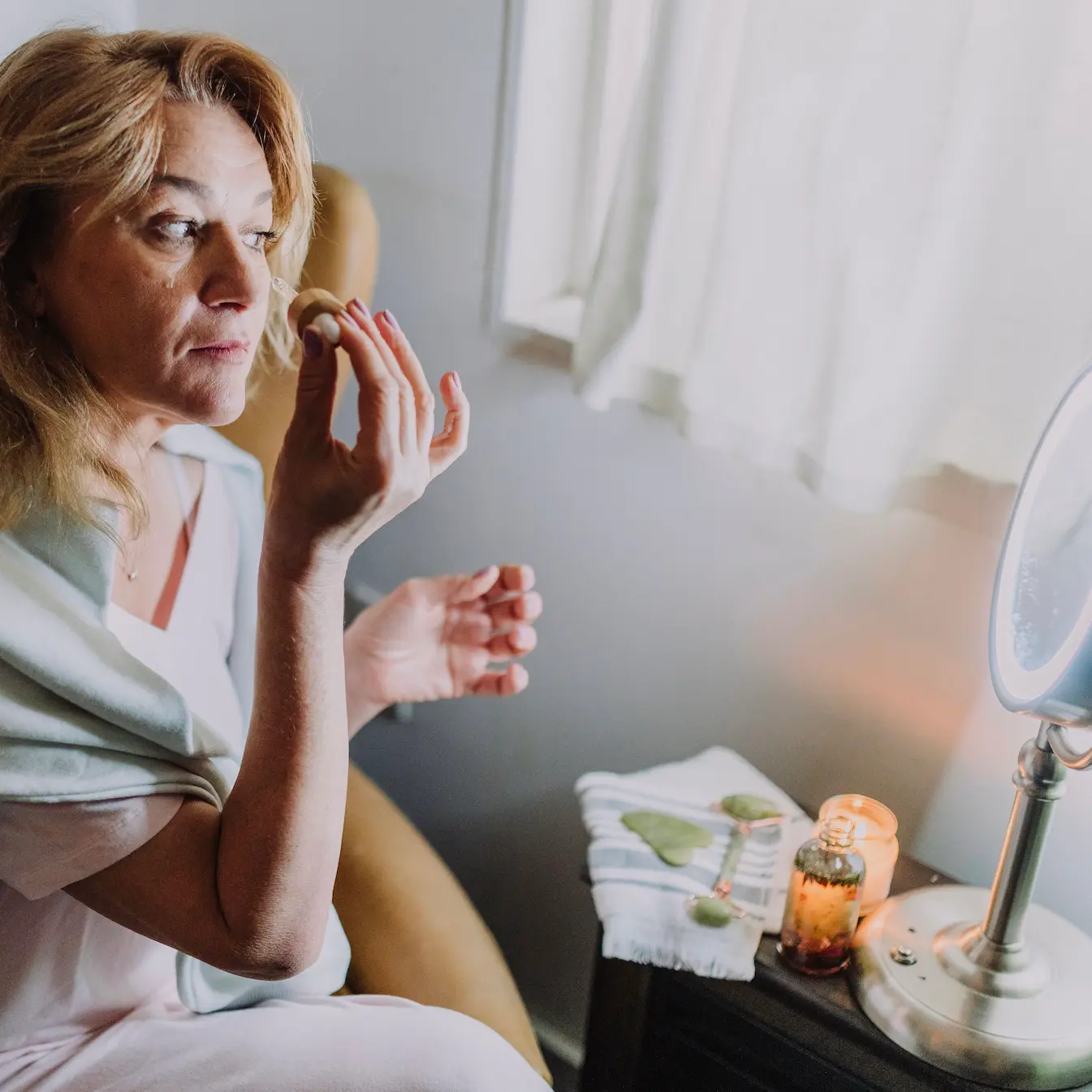
Bakuchiol is one of the most talked-about skincare ingredients of recent years, often described as a gentler alternative to retinol. While it isn’t related to vitamin A, research shows that bakuchiol can support many of the same skin concerns, including fine lines, uneven tone, and loss of firmness, without the dryness or irritation retinol can sometimes cause.
Because of this, bakuchiol has become especially popular with people who want visible, age-supportive results but prefer a more gentle approach to skincare. It’s commonly chosen by those with sensitive or reactive skin, and by anyone looking to avoid traditional retinoids.
In this guide, I’ll walk through the real benefits of bakuchiol for skin, how it works, and what to look for when choosing a bakuchiol product.
Bakuchiol is a plant-derived compound traditionally sourced from the seeds of the Psoralea corylifolia plant. Unlike retinol, it isn’t a form of vitamin A, but studies show it can trigger similar responses in the skin, particularly around collagen support and cell renewal.
What sets bakuchiol apart is how well tolerated it tends to be. While retinol can cause redness, flaking, or sensitivity, especially in reactive skin, bakuchiol is generally much gentler, making it appealing for long-term use.

As skin matures, natural collagen and elastin production slows. This can lead to fine lines, loss of firmness, and changes in texture.
Bakuchiol has been shown to help support collagen production, which in turn can improve the appearance of fine lines and overall skin smoothness. With regular use, skin often looks more even, supple, and refreshed, without the stress response sometimes triggered by stronger actives.
This makes bakuchiol particularly suitable for people who want age-supportive skincare without pushing the skin too hard.
One of bakuchiol’s most valued qualities is how calming it can be. It has anti-inflammatory properties, which may help reduce visible redness and support a more balanced skin response.
For those who have struggled with irritation from retinol, exfoliating acids, or overly active routines, bakuchiol offers a way to simplify while still supporting skin renewal. It’s often used successfully by people with sensitive, rosacea-prone, or easily reactive skin.
Bakuchiol also helps support a more even-looking complexion. By gently encouraging cell turnover, it can help fade the appearance of dark spots, post-breakout marks, and uneven tone over time.
Unlike retinol, this process happens without peeling or dryness, which makes it easier to maintain consistency, something that matters far more than intensity when it comes to long-term skin results.
In addition to its retinol-like effects, bakuchiol is rich in antioxidants. These help protect the skin from free radical damage caused by factors like pollution, UV exposure, and daily stress.
Antioxidant support plays an important role in preserving skin health over time, helping skin look brighter and more resilient as it ages.
When shopping for bakuchiol skincare, it’s important to understand the difference between bakuchiol extract and babchi oil.
Bakuchiol extract is the isolated, clinically studied compound responsible for the skin benefits discussed here. Babchi oil, sometimes referred to as bakuchiol oil, is a raw plant oil that contains a range of compounds, some of which may be irritating, especially for sensitive skin.
If you’re looking for gentle, predictable results, check the INCI list and look specifically for bakuchiol, rather than Psoralea corylifolia seed oil.
Bakuchiol is available in a range of formulations, including serums, creams, and face oils. The best option will depend on your skin type and how much nourishment your skin needs.
Oil-based formulations can be particularly supportive for dry, sensitive, or mature skin, as they help reinforce the skin barrier while delivering active ingredients more gently.
Amaranthine’s Face Oil+ combines bakuchiol with coenzyme Q10 to support firmness, elasticity, and overall skin vitality as part of an age-supportive routine.
Bakuchiol is widely regarded as well tolerated and is often chosen as an alternative to vitamin A derivatives, including during pregnancy or breastfeeding. However, suitability always depends on the full formulation of a product and individual circumstances.
If you’re pregnant, breastfeeding, or managing a skin condition, it’s always best to check individual product guidance or speak with a healthcare professional before introducing new actives.
Bakuchiol offers a thoughtful balance between results and skin comfort. It supports smoother texture, more even tone, and visible firmness, without the irritation that can come with stronger actives.
For anyone looking to simplify their routine while still supporting ageing skin gently, bakuchiol is a beautifully considered ingredient, especially when used consistently as part of a barrier-first skincare approach.
A randomized, double-blind clinical study comparing Bakuchiol and Retinol — British Journal of Dermatology, 2019
Assessment of bakuchiol in cosmetic applications — International Journal of Cosmetic Science, 2014
Bakuchiol: a retinol-like functional compound revealed by gene expression profiling and clinically proven to have anti-aging effects — International J


Sarah is the founder of certified palm oil free natural skincare brand Amaranthine. She is a qualified organic skincare formulator and has diplomas in Beauty Therapy and Clinical Aromatherapy.


