

April 11, 2024
•
3.5 MIN READ
Your skin barrier plays a quiet but essential role in how your skin looks and feels each day. When it’s healthy, skin feels comfortable, hydrated, and resilient. When it’s compromised, even familiar products can suddenly sting, redness may flare, and skin can feel harder to manage.
Skin barrier disruption is more common than many people realise, especially if your skin is sensitive, acne-prone, or rosacea-prone. Over-cleansing, harsh actives, hormonal shifts, and environmental stress can all gradually weaken the barrier, often without obvious warning signs at first.
In this guide, I’ll gently walk through what the skin barrier is, how it becomes damaged, and how to support repair in a calm, skin-respectful way, without overwhelming already stressed skin.
The skin barrier refers to the outermost layer of your skin, known as the stratum corneum. It’s made up of skin cells held together by natural lipids, including ceramides and fatty acids. You’ll often hear it described using a “brick and mortar” analogy, where the skin cells are the bricks and the lipids act as the mortar holding everything together.
When this structure is intact, the barrier helps to:
When the barrier becomes compromised, moisture escapes more easily and irritants can penetrate the skin, often leading to sensitivity, inflammation, and reactivity.
Skin barrier damage rarely happens overnight. More often, it’s the result of repeated small stresses that gradually weaken the skin’s defences.
Foaming cleansers, soaps, alcohol-based toners, and frequent exfoliation can strip away the skin’s natural oils, leaving it dry and vulnerable.
UV radiation disrupts the skin barrier by breaking down lipids and increasing water loss, which can lead to dehydration and sensitivity over time.
Cold, wind, and low humidity can dry the skin, while pollution can contribute to oxidative stress that weakens barrier function.
During perimenopause and menopause, lower oestrogen levels can reduce natural oil production, making the skin barrier more fragile and prone to dryness or irritation.
Poor sleep, ongoing stress, smoking, and long, hot showers can all place additional strain on the skin barrier.
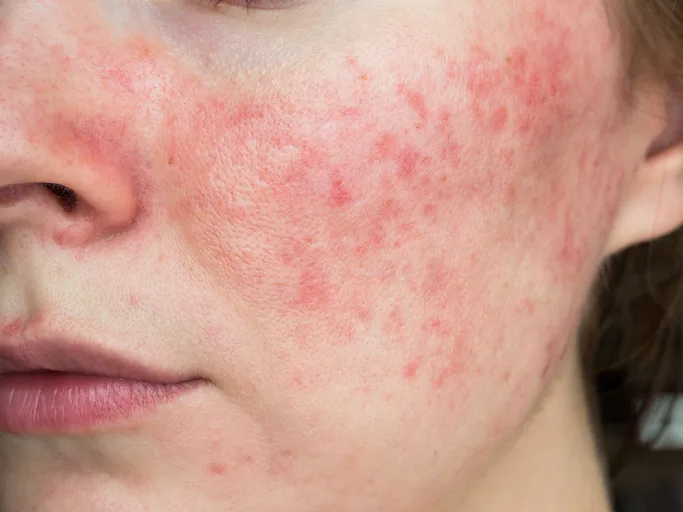
If your skin barrier is compromised, you may notice:
These symptoms can overlap with other skin concerns, which is why barrier damage is often overlooked.
A weakened skin barrier is commonly seen in rosacea-prone skin, where ongoing inflammation and sensitivity can make it harder for the skin to retain moisture and stay calm. If you’re managing rosacea, you may find my guide to face oils for rosacea helpful.
Ongoing inflammation disrupts the barrier, leading to increased water loss and dryness. This, in turn, allows irritants and bacteria to penetrate more easily, triggering further inflammation.
It’s a frustrating cycle, especially when treatments aimed at controlling breakouts or redness unintentionally worsen barrier damage. For many people, shifting the focus from “treating” the skin to supporting it can make a meaningful difference. If you’re navigating breakouts alongside sensitivity, you may also find it helpful to read about using face oils for acne-prone skin, where I explore why gentleness and barrier support matter.
A barrier-led routine is often a helpful foundation when managing rosacea or acne, allowing the skin to calm and rebalance before introducing anything more active.
The good news is that the skin barrier can repair itself when given the right conditions. Supportive care is about consistency, simplicity, and patience.
Use mild, non-stripping cleansers that respect the skin’s natural oils. Balm or oil-based cleansers can be particularly supportive, as they cleanse effectively without disrupting the lipid barrier. Always cleanse with lukewarm water, as hot water can further weaken barrier function.
Daily moisturising helps reduce water loss and supports lipid replenishment. Look for products that focus on hydration and barrier support rather than aggressive actives. If you’re unsure what to look for, my full guide to choosing a hydrating face cream explains how ingredients like humectants, emollients, and occlusives work together to support the skin barrier.
When skin is compromised, doing less is often more helpful. Reducing the number of products and avoiding unnecessary exfoliation can give the barrier space to recover.
A balanced diet with healthy fats, adequate hydration, good sleep, and stress management all play a role in skin resilience and repair.
Certain ingredients are particularly helpful when the goal is barrier repair rather than rapid results.
Ceramides are naturally found in the skin and help hold skin cells together. They play a key role in preventing moisture loss and strengthening the barrier.
Plant oils rich in omega fatty acids help replenish the lipids that form part of the skin barrier. They support hydration, softness, and flexibility, especially in dry or sensitive skin.
This form of vitamin B3 supports barrier repair by encouraging ceramide production and helping to calm inflammation. It’s often well tolerated when used at gentle levels.
Hyaluronic acid helps attract and retain moisture in the skin, supporting hydration while the barrier recovers.
Antioxidants help protect the skin from environmental stress that can weaken the barrier. Ingredients such as vitamin E and green tea extract are commonly used for this purpose.

Supporting your skin barrier is an investment in long-term skin comfort and resilience. By choosing gentle products, simplifying your routine, and focusing on barrier-friendly care, skin often becomes calmer, more balanced, and better able to cope with flare-ups over time.
If you’re exploring skincare designed with barrier support in mind, you may find it helpful to browse my rosacea-friendly skincare options, which focus on gentle formulations and skin comfort.
National Rosacea Society
American Academy of Dermatology Association


Sarah is the founder of certified palm oil free natural skincare brand Amaranthine. She is a qualified organic skincare formulator and has diplomas in Beauty Therapy and Clinical Aromatherapy.


