

March 26, 2026
•
5 MIN READ
If you have rosacea-prone skin, finding the right cleanser can feel surprisingly difficult.
Many cleansers are simply too harsh, leaving skin feeling tight, warm, or irritated. Others don’t quite cleanse thoroughly enough, which can lead to build-up like SPF, makeup, and daily pollution that may trigger flare-ups. If flare-ups are something you struggle with, you can read more about managing rosacea flare-ups naturally here.
The best cleanser for rosacea sits somewhere in between, gentle enough to support the skin barrier, but effective enough to cleanse without making your skin feel dry or uncomfortable.
In this guide, I’ll walk you through what to look for, what to avoid, and how to cleanse your skin in a way that feels calm, balanced, and supportive.
The best cleanser for rosacea is one that is gentle, cleanses effectively without leaving your skin feeling tight or dry, and supports the skin barrier. It should remove dirt, oil, and daily build-up without disrupting the skin’s natural moisture or balance. Look for simple, nourishing formulas that leave your skin feeling calm and comfortable.
Rosacea-prone skin often has a weakened skin barrier, which means it can lose moisture more easily and react more quickly to everyday triggers.
Even something as simple as washing your face can leave your skin feeling uncomfortable if your cleanser is too harsh.
A well-chosen cleanser helps to:
If you’d like to understand this in more detail, you can read more about how to repair your skin barrier.
There are many different types of cleansers, but for rosacea-prone skin, the format matters less than how your skin feels after using it.
The best cleanser for rosacea usually shares a few key qualities:
Some people find balm or cream cleansers work particularly well, while others prefer something lighter. There’s no single “perfect” type, just what feels right for your skin.
The most important thing to pay attention to is how your skin feels after cleansing.
A good cleanser should leave your skin feeling soft, comfortable, and balanced, not tight, dry, or warm.
When your skin reacts easily, simpler formulas are often the best place to start.
Look for ingredients that support and condition the skin, such as plant oils, oat-based ingredients, or aloe vera.
Rosacea-prone skin needs support, not stripping.
Cleansers that help maintain your skin’s natural moisture can make a noticeable difference over time, especially if your skin often feels sensitive.
Oil-based and balm cleansers can be a particularly gentle option, as they cleanse without relying on harsh surfactants. By helping to preserve the skin’s natural oils, they support the skin barrier, which is especially important when skin is prone to redness and sensitivity.
Cleansing should feel gentle and easy.
No stinging, no tingling, no heat, just skin that feels clean, calm, and comfortable.
If your skin feels “squeaky clean”, it’s often a sign your cleanser is doing too much.
Highly foaming cleansers can remove too much of your skin’s natural oils, which may leave it feeling dry or more sensitive.
Traditional soaps can be quite alkaline, which means they can interfere with the skin’s natural balance. This often leaves skin feeling tight, dry, and more reactive.
If your skin is prone to rosacea, switching to a gentler, more balanced cleanser can make a noticeable difference over time.
Fragrance can be a trigger for some people with rosacea.
Well-balanced formulas can work well, but strong or heavily scented products may increase the risk of irritation, especially if your skin is already sensitive.
Cleansing more often doesn’t mean better results.
For most people, cleansing once in the morning and once in the evening is enough. Cleansing too often can disrupt your skin barrier and make it feel more sensitive over time. .
Cleansers that contain acids or physical exfoliants can be too much for rosacea-prone skin, especially during a flare-up.
Exfoliation can still have a place in your routine, but it’s best approached gently and separately from your daily cleanse.
A few small changes can make a big difference:
Cleansing should feel like a calm, supportive step in your routine.
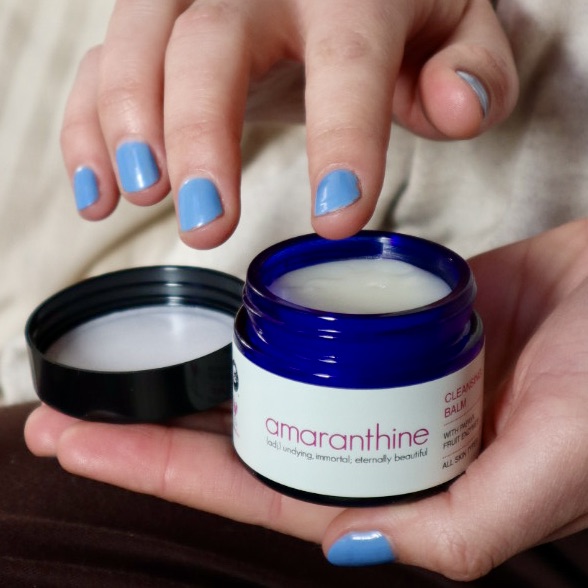
If you’re looking for a cleanser that supports your skin rather than challenges it, a nourishing cleansing balm can be a good place to start.
My natural cleansing balm gently melts away makeup, SPF, and daily build-up while keeping the skin feeling soft and comfortable. It’s made with plant oils and butters, and is designed to cleanse gently without leaving your skin feeling tight or dry. Because it’s oil-based, it cleanses by gently dissolving daily build-up while helping to support your skin barrier, rather than stripping it.
It’s often chosen by those with sensitive or rosacea-prone skin who want something effective, but still gentle.
When you have rosacea, the “best” cleanser isn’t the strongest or most active. It’s the one your skin feels comfortable with.
If your skin often feels tight, warm, or reactive after cleansing, it may simply be a sign that your cleanser isn’t the right fit for your skin.
Gentle, supportive cleansing can help bring a sense of calm back to your routine over time. If you're introducing a new cleanser into your routine, you may also find my guide on how to introduce new skincare when you have rosacea helpful.
Cleansing is just one part of a rosacea-friendly routine. You can also read my guides on choosing the right face oil for rosacea and finding the best face mask for rosacea-prone skin, or browse my rosacea skincare collection.
A gentle cleanser that doesn’t leave your skin feeling tight or dry is usually best. Balm and cream cleansers are often well suited, but the most important thing is how your skin feels after using it.
Traditional soap can be too harsh for rosacea-prone skin, as it may leave your skin feeling dry, tight, and more sensitive. Gentle, low-pH cleansers are usually a better option, as they help support the skin barrier rather than disrupt it.
Some can be too harsh, especially if they are very foaming. If you use one, choose a gentle formula designed for sensitive skin.
In most cases, yes. Once in the morning and once in the evening is usually enough.
Yes, if the cleanser is too harsh or used too often. A gentle cleanser can help reduce irritation instead.
Anti-inflammatory and skin barrier repair effects of topical application of some plant oils - read the study
A guide to the ingredients and potential benefits of over-the-counter cleansers and moisturisers for rosacea patients - read the study


Sarah is the founder of certified palm oil free natural skincare brand Amaranthine. She is a qualified organic skincare formulator and has diplomas in Beauty Therapy and Clinical Aromatherapy.


