

May 1, 2024
•
3 MIN READ

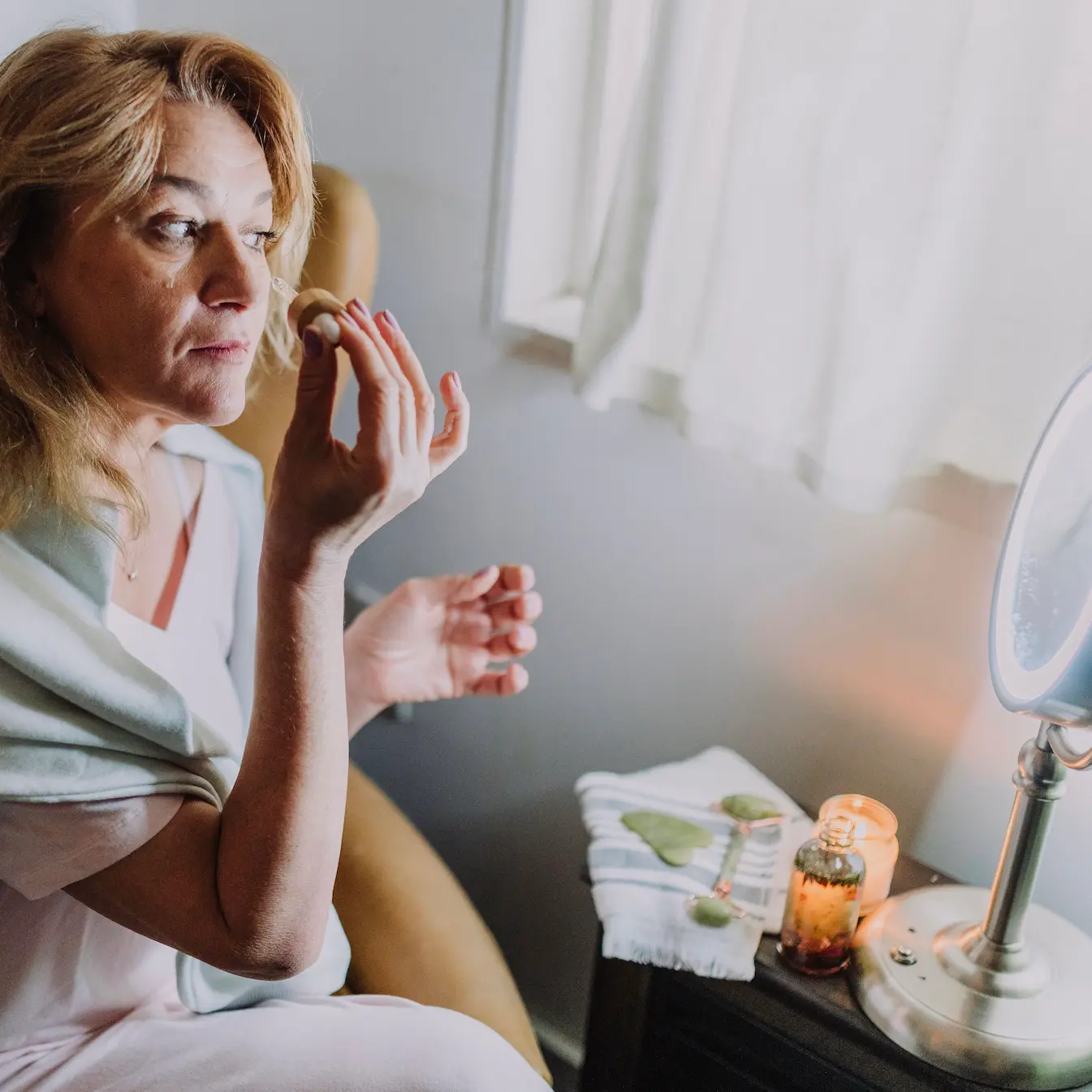
Rosacea can leave your skin looking red and feeling irritated. While there’s no magic cure, using the right skincare products can help support rosacea-prone skin.
A carefully chosen face oil can help soothe dryness, support the skin barrier and keep skin feeling comfortable. In this article, I'll explore what to look for in a face oil if you have rosacea and how to add one to your skincare routine.
The best oil for rosacea-prone skin is one that is gentle, lightweight and helps support the skin barrier without causing irritation. Plant oils such as jojoba and argan can be good choices because they're lightweight and help soften and nourish the skin without feeling heavy. As rosacea triggers vary from person to person, introduce any new face oil gradually and pay attention to how your own skin responds.
Rosacea is a common, long-term skin condition that mainly affects the face. Signs and symptoms can include redness, flushing, visible blood vessels and sometimes small red bumps.
While gentle skincare can help support the skin and reduce discomfort, rosacea itself may require medical treatment. If your symptoms are persistent, worsening or causing concern, it's worth speaking to your GP or a dermatologist.
Yes, some people with rosacea-prone skin can use face oils very successfully, but choosing the right oil and introducing it carefully is important. Rosacea triggers vary from person to person, so what works beautifully for one person's skin may not suit another.
Here are some great choices for rosacea-prone skin: jojoba, apricot, argan, rosehip, olive squalane, raspberry seed, and pumpkin seed oils. These plant-based oils have a range of soothing, hydrating and anti-inflammatory properties that can make them good choices for sensitive and rosacea-prone skin.

Face oils are more than just moisturisers - they can provide nourishment, comfort and protection for the skin.
Many people with rosacea experience dryness and a weakened skin barrier. This can make the skin more vulnerable to irritants and moisture loss.
Face oils rich in essential fatty acids can be particularly useful for supporting the skin barrier, helping to nourish and soften dry, sensitive skin.
If you're curious about face oils but feeling cautious, which is completely understandable with rosacea, starting with a mini face oil can be a gentle way to see how your skin responds.
Essential oils need to be approached with care if you have rosacea. Fragrance, including essential oils, can be a trigger for some people with sensitive or rosacea-prone skin, which is why fragrance-free skincare is often recommended.
That doesn't necessarily mean that everyone with rosacea needs to avoid essential oils. Rosacea triggers vary considerably from person to person, and some people may tolerate carefully formulated products containing very low concentrations of essential oils without irritation.
If you do choose a product containing essential oils, look for one that has been professionally formulated with sensitive skin in mind, and always patch test first. Strongly stimulating essential oils such as peppermint are best avoided on rosacea-prone skin.
Amaranthine’s soothing face oil was created with sensitive, rosacea-prone skin in mind. It’s a lightweight blend of organic, natural oils chosen for their soothing and nourishing properties, designed to support the skin barrier and help keep dry, sensitive skin feeling soft and comfortable.
For rosacea-prone or reactive skin, I usually recommend beginning with the mini size, giving your skin time to adjust and allowing you to patch test before moving on to a full-size bottle.
“This is the one product I keep returning to. Every so often I stop using the oil and try other products, but I really notice the difference. My skin feels softer and I suffer less with redness when using the oil.” - customer review
When caring for rosacea-prone skin, it’s important to choose products that support the skin barrier and help keep sensitive skin feeling comfortable.
This blend combines carefully selected plant oils, including argan, jojoba, raspberry and pumpkin, alongside low concentrations of lavender, frankincense and geranium essential oils. The plant oils provide nourishing fatty acids and naturally occurring compounds with soothing and anti-inflammatory properties, while helping to soften the skin and support its natural barrier.
Research has found differences in the fatty acid composition of the skin’s surface oils in people with papulopustular rosacea, including lower levels of the monounsaturated fatty acid cis-11-eicosenoic acid compared with people without rosacea. Interestingly, jojoba oil naturally contains cis-11-eicosenoic acid, although this doesn’t mean that applying jojoba oil replaces a deficiency or treats rosacea.
Jojoba forms the base of my face oil because it’s a lightweight, skin-softening wax ester that works beautifully in formulations for sensitive skin.
“I am a 51-year-old man who has rosacea. After trying many products with no visible benefit, I’ve finally found one that has made a real difference to the appearance and health of my skin.” - customer review
View the original rosacea fatty-acid study on PubMed
This face oil was the first product I ever formulated, and it’s still one of the most loved. Over the years, I’ve heard from so many customers with redness, sensitivity, rosacea and acne-prone skin who have found it works beautifully for them.
That experience has only reinforced my belief in thoughtfully chosen natural ingredients and careful formulation. The oils I've chosen have a range of nourishing, soothing and anti-inflammatory properties, while helping to support the skin barrier and keep sensitive skin feeling comfortable.
I know trying something new can feel like a risk when your skin is reactive, which is also why I offer a money-back guarantee - so you can try it and see how your own skin responds.
The best oil for rosacea skin is one that feels gentle, lightweight and doesn’t irritate your skin. Plant oils such as jojoba, argan and rosehip can be good choices, as they help support the skin barrier and keep skin feeling soft and comfortable.
Face oils can aggravate rosacea-prone skin if they contain ingredients that your skin finds irritating. Rosacea triggers vary from person to person, so introducing a new face oil gradually and patch testing first can help you see how your skin responds.
Face oil is usually applied towards the end of your skincare routine. If you use a moisturiser, apply your face oil afterwards to help seal in moisture. You can also apply a few drops to slightly damp skin if you're using the oil on its own.
Many natural plant oils can be well tolerated by rosacea-prone skin, but natural doesn’t automatically mean non-irritating. Choose a carefully formulated product and introduce it gradually, as everyone’s rosacea triggers and skin sensitivities are different.
Face oils don’t have to be an all-or-nothing step. When chosen thoughtfully and introduced slowly, they can become a comforting part of a rosacea-friendly routine, helping your skin feel softer, more nourished and supported.
If face oils feel like something you'd like to explore but you're not quite ready to commit, my face oil is also available in a mini size, offering a simple, low-pressure way to try it and see how it feels on your skin.
Best cleanser for rosacea: what to look for and what to avoid
How to manage rosacea flare-ups naturally
Explore my skincare collection for rosacea-prone skin
Anti-inflammatory and skin barrier repair effects of topical application of some plant oils - read the study here
Citron essential oils alleviate the mediators related to rosacea pathophysiology in epidermal keratinocytes - read the study here


Sarah is the founder of certified palm oil free natural skincare brand Amaranthine. She is a qualified organic skincare formulator and has diplomas in Beauty Therapy and Clinical Aromatherapy.


