

February 5, 2025
•
4 MIN READ

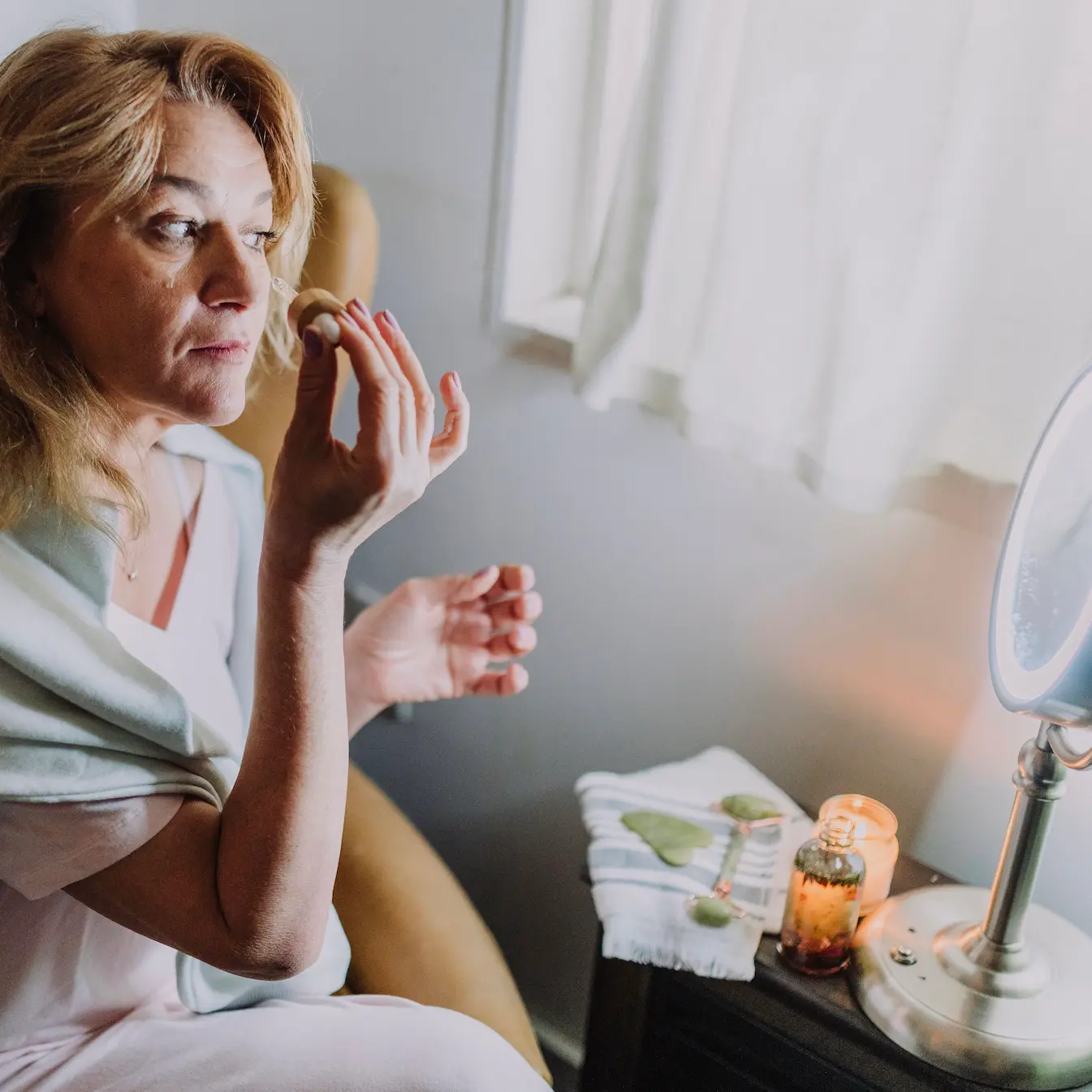
Anxiety can affect both the mind and body, showing up as restlessness, racing thoughts, tension, or disrupted sleep. While no single approach works for everyone, and many people find support through lifestyle changes or professional care, aromatherapy is often used as a gentle, supportive tool alongside other self-care practices.
Essential oils have been used for centuries for emotional and nervous system support. When used correctly, certain oils can help create a sense of calm, support relaxation, and ease feelings of overwhelm. This guide explores which essential oils are most commonly used for anxiety, how aromatherapy works, and the safest, most effective ways to use them.
Different essential oils affect the nervous system in different ways. The oils below are commonly used in aromatherapy to support emotional balance and calm.
Lavender is one of the most widely studied essential oils for anxiety. It is often used to support relaxation, reduce nervous tension, and improve sleep quality. In aromatherapy, lavender is associated with calming the nervous system and supporting the body’s natural ability to unwind.
Bergamot is a citrus essential oil known for its uplifting yet calming properties. Unlike stimulating citrus oils, bergamot is often used to ease stress while supporting emotional balance. It is commonly chosen when anxiety is accompanied by low mood or mental fatigue.
Chamomile essential oil is traditionally used for soothing both the body and mind. It is particularly helpful where anxiety presents as restlessness, irritability, or difficulty switching off, especially in the evening.
Frankincense is often described as grounding. In aromatherapy, it is used to encourage deeper, slower breathing and a sense of emotional steadiness. It is frequently incorporated into meditation or breathing practices for stress and anxiety.
Sweet orange essential oil has a gentle, comforting aroma that can help lift mood and soften anxious thought patterns. It is often used when anxiety feels mentally heavy or emotionally draining.
Extracted from orange blossoms, neroli is known for its deeply calming and reassuring scent. It is commonly used during periods of emotional strain or heightened nervous tension and is often associated with feelings of safety and comfort.
Jasmine is used in aromatherapy to support emotional wellbeing, particularly when anxiety is linked to low confidence or emotional overwhelm. Its rich floral aroma is often described as emotionally nourishing.

Aromatherapy works primarily through the limbic system, the part of the brain involved in emotions, memory, and stress responses. When essential oils are inhaled, aromatic molecules travel through the olfactory system and send signals to this area of the brain.
This process can help:
Because anxiety often feels more intense in the evening, it can have a direct impact on sleep. If a busy or anxious mind tends to make it hard to switch off at night, you may also find our guide to essential oils for sleep helpful.
A calming bath can also be a gentle way to unwind at the end of the day. If you’re looking to create that kind of ritual, this guide to choosing the best bath oil for relaxation explains what to look for.
Studies have shown that inhalation of certain essential oils, including lavender and bergamot, can produce measurable calming effects, making aromatherapy a useful complementary approach for anxiety support.
Diffusing essential oils allows the aroma to gently fill a space, making it one of the most effective methods for emotional support. This is particularly helpful in bedrooms, living spaces, or during moments of rest.
A warm bath can enhance the relaxing effects of essential oils. Essential oils should always be blended into a carrier oil or used in a pre-formulated bath oil that contains an emulsifier, allowing the oils to disperse safely in the water. If you’d like to explore this in more detail, I've written a dedicated bath oil safety guide covering safe use and how aromatherapy bathing can support calm.
Place a few drops of oil on your pillow. Avoid direct contact with where your face will rest to prevent irritation.
Placing a few drops of essential oil on a tissue or cotton pad and inhaling slowly is a simple, direct way to experience aromatherapy. This method is often used for short moments of grounding during the day.
Candles made with pure essential oils and natural wax can help create a calming atmosphere. Unlike synthetic fragrance candles, essential oil candles provide a more subtle, natural aromatic experience.
Skincare products infused with carefully selected essential oil blends can turn everyday routines into small moments of calm. When formulated correctly, aromatherapy skincare offers both skin benefits and gentle emotional support.
If you’re curious about how essential oils are chosen, diluted, and used safely in skincare, this guide on the role of essential oils in skincare explores that in more detail.
Seeing aromatherapy used as part of a slow, intentional routine can be helpful. This short video shows how some people incorporate naturally fragranced skincare into moments of calm.
When essential oils are used on the skin, placement can influence comfort and ritual, while inhalation often plays the primary role in emotional support.
Common areas include:
• Inner wrists or forearms, often used as part of a calming ritual
• The chest or heart space, supporting slower breathing
• The back of the neck or shoulders, where tension often gathers
Always ensure essential oils are correctly diluted before skin contact, as outlined in the safety section below.
Essential oils are highly concentrated and must always be used with care.
For emotional support, a 1% dilution is generally sufficient. Stronger concentrations are rarely necessary and increase the risk of skin irritation or sensitisation without improving results.
Safe use guidelines include:
• Always dilute essential oils in a suitable carrier oil
• Patch test before first use
• Avoid oils known to cause photosensitivity when exposed to sunlight
• Take extra care during pregnancy or with existing medical conditions
When in doubt, seek guidance from reliable safety data or a trained professional.
Aromatherapy works best when used consistently and gently. Whether diffusing lavender in the evening, inhaling bergamot during a stressful moment, or enjoying aromatherapy-infused skincare, essential oils can help create small pauses for calm throughout the day.
When chosen carefully and used safely, aromatherapy offers a supportive way to reconnect with the body, slow the breath, and soften feelings of anxiety.
If you enjoy incorporating aromatherapy into your daily routine, exploring naturally fragranced skincare and bath rituals can be a gentle way to bring both skin care and emotional wellbeing together.
Benefits of inhalation in aromatherapy as a complementary treatment for stress and anxiety
https://pubmed.ncbi.nlm.nih.gov/37031643/
The use of essential oils as a complementary treatment for anxiety


Sarah is the founder of certified palm oil free natural skincare brand Amaranthine. She is a qualified organic skincare formulator and has diplomas in Beauty Therapy and Clinical Aromatherapy.


