

February 7, 2024
•
2.5 MIN READ

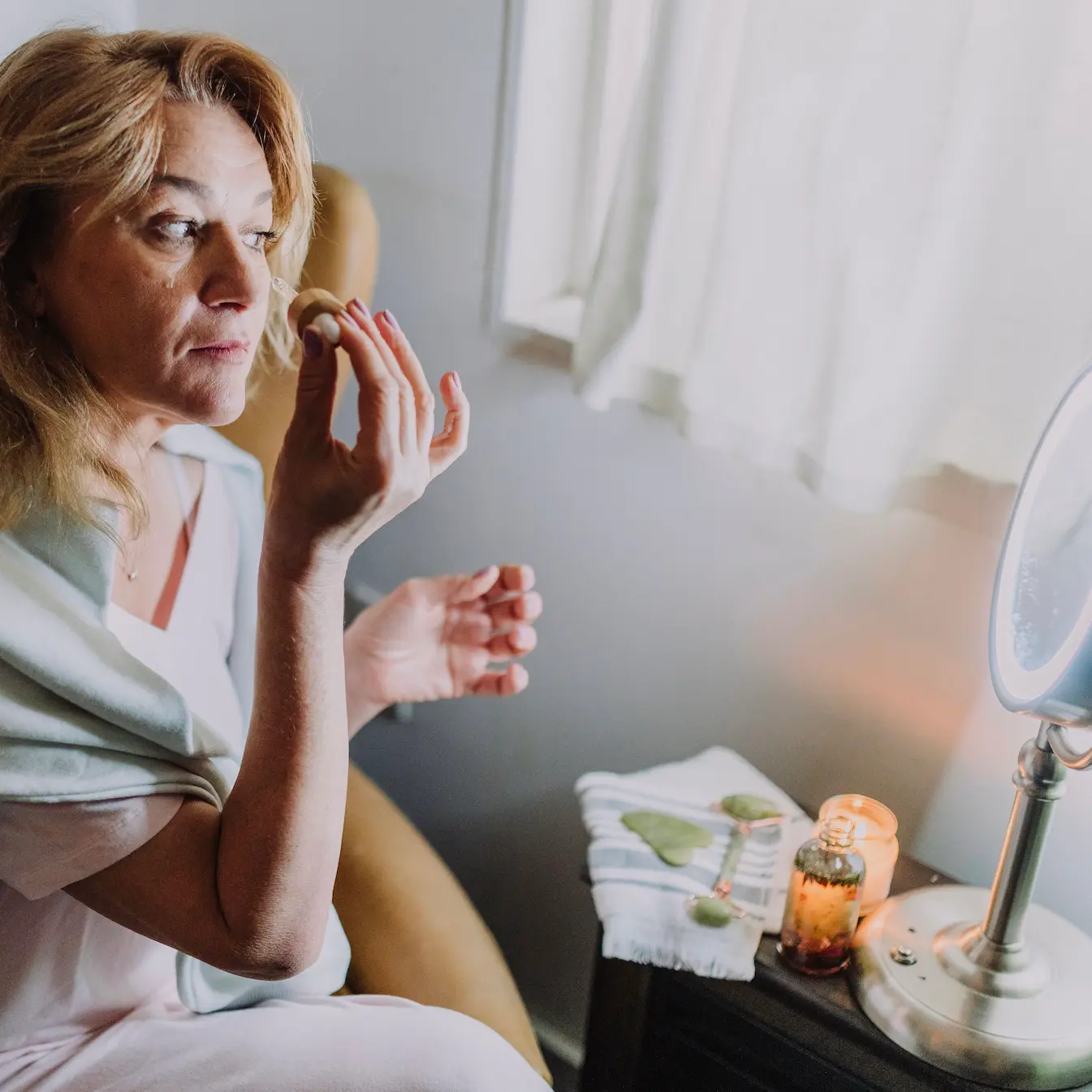
Essential oils are widely used in skincare and aromatherapy — but they’re also highly concentrated plant extracts that need to be used with care. A common question is whether essential oils can be applied safely to the skin, and if so, how.
In this guide, I’ll explain what essential oils are, how they’re used in skincare, and the key safety principles to understand before applying them to your skin, including dilution, sensitisation risks, and when to avoid them altogether.
Essential oils are highly concentrated extracts obtained from plants, capturing their characteristic scent and chemical components. They are made up of volatile, oil-soluble compounds that give plants their distinctive aroma.
Because essential oils are so concentrated, they must be used with care when applied to the skin. When diluted and formulated correctly, they can be used in skincare, but they are not suitable for direct or undiluted application.
Essential oils are highly concentrated and should always be diluted before applying to the skin. Used incorrectly, they can cause irritation or allergic reactions—even when they're natural.
To use essential oils safely:
Always mix essential oils with a neutral carrier oil such as jojoba, almond, or grapeseed oil. This helps spread the oil evenly and reduces the risk of irritation.
For facial use, a 1% maximum dilution is generally recommended . Stronger dilutions are best left to clinical settings under professional guidance.
Before using any essential oil blend, test it on a small area of skin (like the inside of your elbow) and wait 24 hours. Avoid using essential oils on broken, inflamed, or highly sensitive skin.
Avoid using drops to estimate measurements - essential oils vary in drop size, and it’s easy to overdo it. Use proper tools like pipettes or scales when accuracy is important.
And remember: never apply essential oils neat (undiluted) to the skin.
Before using any essential oil, it’s important to understand its specific safety profile. While many are well-tolerated when used correctly, some can still pose risks.
Potential reactions include:
Phototoxicity – some citrus oils (like bergamot or lemon) can increase skin sensitivity to sunlight, leading to burns or pigmentation when exposed to UV rays.
Skin sensitisation – repeated use of certain oils may cause allergic reactions over time, even if they were initially well-tolerated.
Irritation – essential oils can aggravate sensitive or broken skin, especially if not properly diluted.
Some essential oils are contraindicated during pregnancy, breastfeeding, or for individuals with certain medical conditions (such as epilepsy, high blood pressure, or hormone-sensitive disorders). Always refer to professional safety data or consult a qualified aromatherapist or healthcare provider before use.
Essential oils can be a beautiful addition to skincare when used thoughtfully. Oils like lavender, frankincense and tea tree are often chosen for their calming, soothing, or purifying qualities, and may support the skin in gentle ways.
Their natural aromas can also enhance the sensory experience of skincare, turning daily routines into small moments of care.
As with anything highly concentrated, a little goes a long way. Skin tolerance varies, so it’s best to start slowly and choose well-formulated products that put safety first.
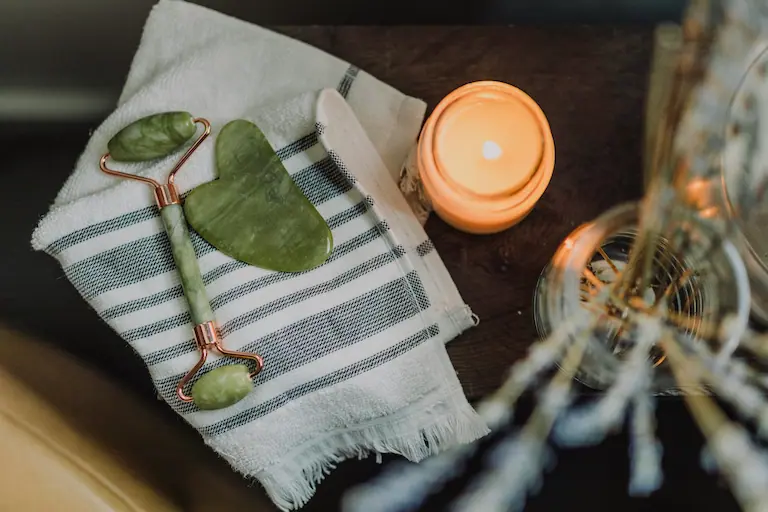
When used safely and appropriately, essential oils may offer a range of benefits for the skin:
Common skincare oils include lavender, frankincense, neroli, rose, and geranium, among others.
Beyond their skin effects, essential oils can also influence mood. Some uplift and energise, while others calm and ground - adding an emotional layer to your skincare routine that makes it feel more holistic and intentional.
Essential oils are powerful, and how they’re sourced, handled, and blended can make a big difference in how they affect your skin. Reputable brands follow strict formulation standards, ensuring oils are used at safe concentrations and combined in a way that supports both skin health and emotional wellbeing.
For peace of mind, it’s worth choosing products made under regulations like those in the UK or EU, where safety and ingredient transparency are taken seriously.
At Amaranthine, I formulate natural skincare products that combine essential oils with plant-based ingredients to benefit both your skin and your senses. Each product is carefully developed with performance, safety, and emotional wellbeing in mind.
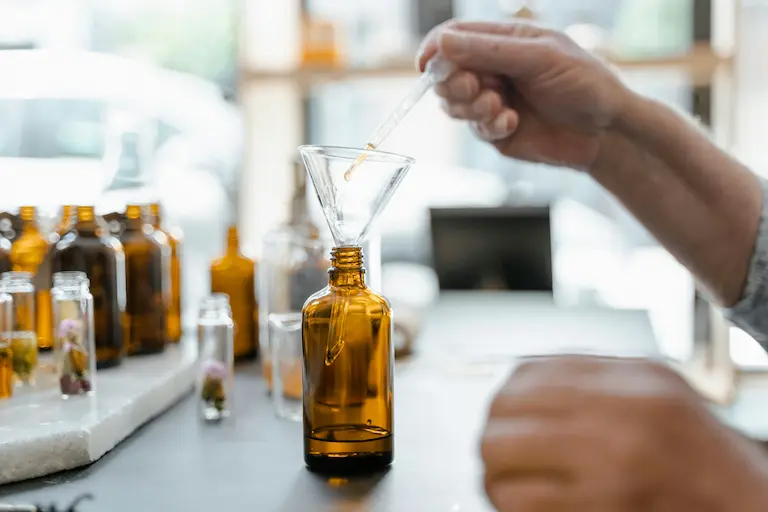
Yes, aromatherapy essential oils can be safely used on the skin - when used responsibly. Dilute them properly, patch test, and follow safety guidelines to enjoy their potential benefits.
Whether you’re looking to hydrate, calm, or refresh your skin, these aromatic elixirs can support your routine in gentle, natural ways.
Want to explore more? Read my article on how essential oils work in skincare - especially helpful if you have acne-prone or sensitive skin.
Essential Oil Safety by Robert Tisserand and Tony Balacs
The Encyclopedia of Essential Oils by Julia Lawless
Diploma in Clinical Aromatherapy Course Notes by Aromatherapy Scotland


Sarah is the founder of certified palm oil free natural skincare brand Amaranthine. She is a qualified organic skincare formulator and has diplomas in Beauty Therapy and Clinical Aromatherapy.


