

March 14, 2019
•
4 MIN READ

Editor's note
This article was originally written in 2019, at a time when public awareness around palm oil was gaining momentum, particularly following several high-profile campaigns. While some examples reflect the conversation as it stood then, the wider environmental and ethical issues surrounding palm oil remain relevant today. I’ve chosen to keep this post largely intact as a reflection on how awareness has evolved - and where challenges still remain.
This piece explores why becoming certified palm oil free mattered so deeply to me as a founder, rather than offering a general guide to palm oil free products.
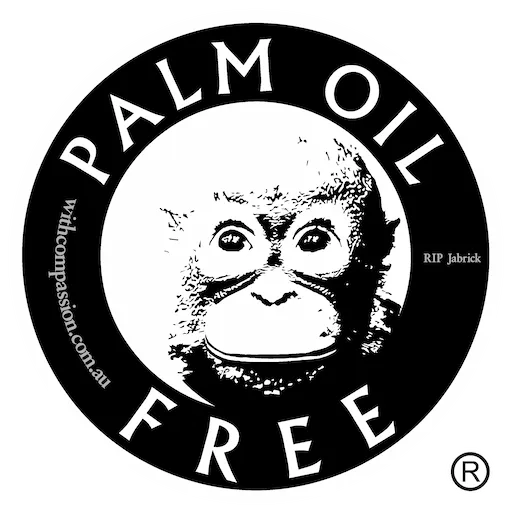
When I founded Amaranthine, I made the decision from the outset to formulate without palm oil. In 2018, the Palm Oil Free Certification Trademark was still relatively new, and I was proud for Amaranthine to become the first skincare company in the world to receive it - a milestone that continues to matter to me today.
Since then, awareness around palm oil has grown. More brands across food, beauty, and household goods are now applying for certification, and conversations about sourcing and sustainability are more common than they once were. My hope has always been that palm oil free certification might one day be as widely recognised as cruelty-free symbols, such as the Leaping Bunny.
Yet several years on from the peak of public attention - including high-profile moments like the 2018 Iceland Christmas advert - it’s worth pausing to reflect. Has progress continued at the pace many hoped for, or has the conversation around palm oil begun to fade back into the background?
Palm oil is a vegetable oil derived from the fruit of the African oil palm (Elaeis guineensis). Native to West Africa, it is now grown in large-scale plantations across tropical regions.
Indonesia and Malaysia together supply over 80% of the world’s palm oil, although cultivation is also expanding in parts of West Africa and Latin America.
Palm oil is inexpensive, highly versatile, and extremely high yielding - a single hectare of oil palm can produce up to ten times more oil than many other oil crops.
According to Greenpeace, palm oil is present in more than half of packaged goods found in supermarkets. In cosmetics, it appears in a wide range of products, from lipstick to face creams, often listed under ingredient names that aren’t immediately recognisable.
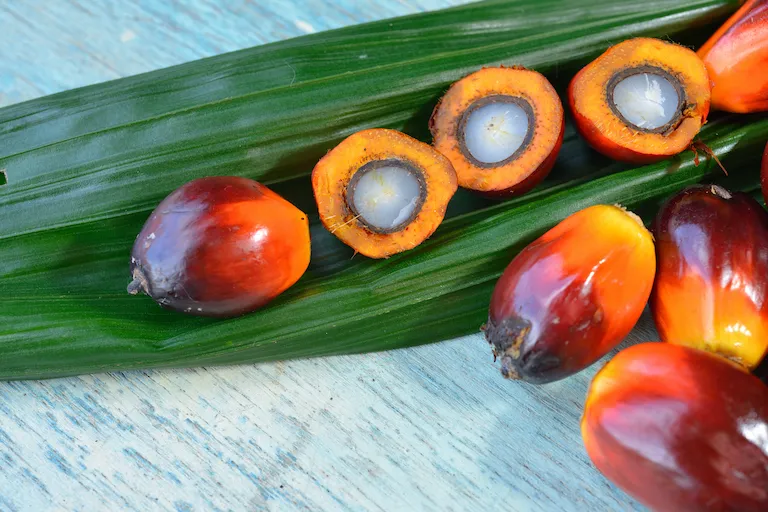
The controversy around palm oil lies largely in the scale and methods of its production. Large areas of tropical rainforest have been cleared to make way for oil palm plantations, leading to significant environmental and social consequences.
Key concerns include:
Deforestation: Extensive areas of rainforest have been lost to plantation expansion, reducing biodiversity and disrupting ecosystems.
Wildlife loss: Habitat destruction has placed already vulnerable species, including orangutans, Sumatran tigers, and rhinos, under increasing pressure.
Human rights concerns: In some regions, palm oil expansion has been associated with land displacement and poor working conditions for local and indigenous communities.
Climate impact: Forest clearing and burning releases large amounts of stored carbon and contributes to air pollution, with effects on both environmental and human health.
Palm oil and its derivatives can appear under hundreds of different ingredient names, making it extremely difficult for consumers to know whether a cosmetic product contains palm oil or not.
When The Palm Oil Free Certification Trademark became available in the UK in 2018, I chose to apply straight away. The certification requires every ingredient and supplier in the supply chain to be independently assessed against strict criteria.
For me, certification wasn’t about making claims, but about providing clarity. It offers a clear, verifiable way to demonstrate that our products are free from palm oil and palm-derived ingredients, without leaving customers to decipher complex ingredient lists.
The Roundtable on Sustainable Palm Oil (RSPO) was established in 2004 with the aim of improving environmental and social standards within the palm oil industry. While it has helped raise awareness, its effectiveness remains widely debated.
Critics argue that RSPO standards are often too limited, with inconsistent enforcement across supply chains. Independent investigations have linked some RSPO-member companies to ongoing deforestation, land disputes, and labour rights concerns.
Supporters of palm oil sometimes point out that oil palm is a high-yield crop, and that replacing it with other vegetable oils could require more land overall. However, alternative crops such as sunflower or rapeseed can be grown in less ecologically sensitive regions, reducing pressure on tropical rainforests.
For many consumers and brands, these complexities raise valid questions about whether “sustainable” palm oil truly addresses the underlying environmental and ethical challenges.
Public awareness around palm oil increased significantly several years ago, particularly following high-profile media coverage. Since then, attention has shifted, and without sustained scrutiny, meaningful change across industries can be slow.
Alongside certification and informed consumer choice, there is also growing discussion around whether lab-grown alternatives could offer a future solution to palm oil’s environmental impact.
Global demand for palm oil continues to rise, and plantation expansion remains ongoing in many regions. This highlights the importance of keeping the conversation active - not through alarm, but through informed and consistent consumer choices.
Every purchase sends a signal. By choosing products that align with your values, you can play a small but meaningful role in supporting more responsible practices and protecting ecosystems, wildlife, and communities.
Choosing palm oil-free skincare is one way to reduce the environmental footprint of the products you use every day. By avoiding ingredients associated with deforestation and habitat loss, you’re supporting a beauty industry that places greater value on transparency, responsibility, and long-term sustainability.
At Amaranthine, becoming certified palm oil free was a considered decision rooted in those values. Every product is made in small batches in Scotland, with ingredients chosen not only for how they perform on the skin, but for the wider impact they have beyond it. For those who want to make more informed skincare choices, palm oil-free certification offers clarity and reassurance.


Sarah is the founder of certified palm oil free natural skincare brand Amaranthine. She is a qualified organic skincare formulator and has diplomas in Beauty Therapy and Clinical Aromatherapy.


