

March 22, 2022
•
4 min read

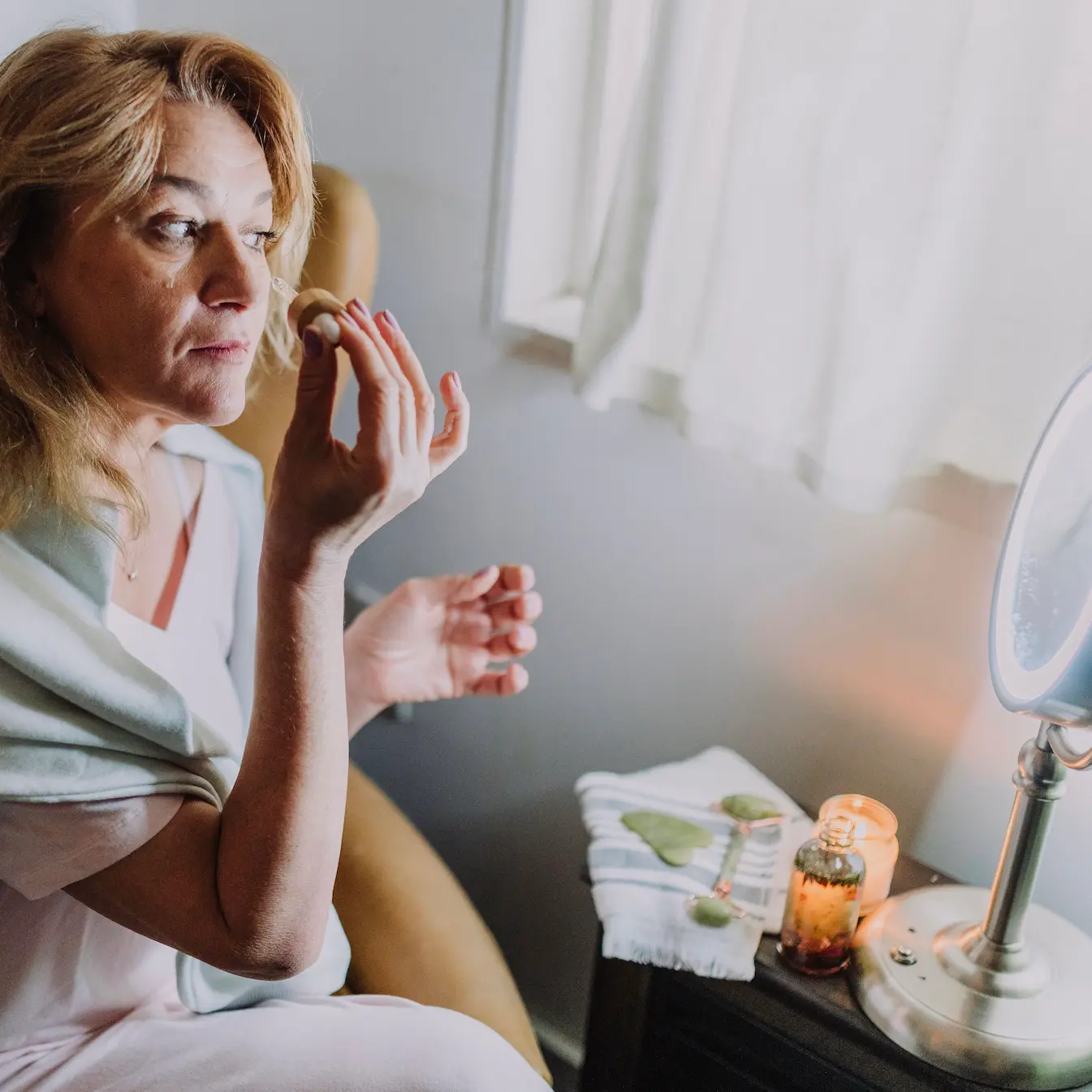
Smell is the sense most closely linked to memory and emotion, and in aromatherapy, this connection sits at the heart of how scent supports emotional wellbeing.
You might have a photograph that brings back a moment, or a song that stirs a feeling, but scent works differently. A single breath can transport you back years, often without warning, because of how directly smell is processed in the brain.
This phenomenon is so well recognised that it has a name, the Proust Effect, and it explains why a familiar scent can instantly bring back childhood memories, comfort, or even grief.
Imagine being a child, helping your granny bake cinnamon biscuits during the summer holidays. Years later, walking past a bakery with the same warm, spicy scent can bring those feelings rushing back in seconds. This isn’t coincidence, it’s biology.
The reason scent is so powerful lies in how the brain processes it.
When we smell something, the information travels through the olfactory bulb, which is directly connected to the limbic system, the area of the brain responsible for emotion, memory, and behaviour. Unlike sight or sound, scent does not pass through the brain’s rational filtering systems first.
This direct route explains why smells can trigger such immediate, emotional responses. A scent can bring back a memory before you’ve had time to consciously place it or even understand why it feels familiar.
In aromatherapy, this is why inhalation plays such an important role, especially when essential oils are used thoughtfully and safely. Scent can support emotional states quickly and gently, often bypassing overthinking and connecting straight to how we feel.
When you inhale a scent, tiny aromatic molecules enter the nose and bind to receptors in the olfactory epithelium, a specialised layer of tissue high inside the nasal cavity. These receptors send electrical signals to the olfactory bulb, which then communicates directly with the limbic system.
Because this process happens almost instantly, scent can form strong associations with memories, especially when first experienced during moments of heightened emotion. Joy, safety, stress, or comfort all influence how deeply a scent is stored.
Over time, repeated exposure to the same scent during similar emotional experiences strengthens these pathways. This creates what researchers call an odour-evoked autobiographical memory, a memory triggered by smell that feels vivid, personal, and emotionally charged.
The Proust Effect is named after writer Marcel Proust, who famously described how the smell and taste of a madeleine cake dipped in tea unlocked a flood of childhood memories.
Today, neuroscience supports what he described so poetically. Smell is uniquely positioned to evoke nostalgia because it activates memory and emotion at the same time. This is why certain scents can feel comforting, grounding, or even overwhelming, depending on the memory attached to them.
In aromatherapy, this understanding helps guide how scents are chosen and used. Familiar, gentle aromas are often favoured when emotional safety and comfort are the goal.
In aromatherapy practice, scent is often used to anchor feelings of calm or reassurance to everyday rituals. One customer, Kirsten, experienced this very clearly.
After a traumatic first birth, she wanted her second to feel calmer and more supported. As part of her hospital bag, she included a face oil as a small, grounding ritual just for herself.
The scent of the oil became linked to the positive experience of welcoming her new baby. Later, when she used the same oil at home, the familiar aroma brought back comforting memories of those early moments.
Kirsten shared:
“My nightly face routine is now something that I cherish.”
This is a gentle example of how scent can become emotionally meaningful, not through force, but through repetition and presence.
Scent isn’t just an added extra in skincare. When chosen thoughtfully, it can transform a routine into a moment of pause.
Natural skincare formulated with carefully balanced essential oils offers more than skin benefits alone. The aroma becomes part of the experience, supporting relaxation, presence, and emotional connection alongside nourishment and hydration.
If you’re interested in using your skincare routine more intentionally, I’ve shared a gentle guide on turning your skincare routine into a grounding ritual, using touch, scent, and simple moments of calm.
This is why aromatherapy-infused products are often described as comforting or grounding. They don’t just sit on the skin, they engage the senses.
Smells have a remarkable ability to bring back memories, emotions, and a sense of familiarity. Whether it’s the scent of baking, freshly washed linen, or a quiet moment at the end of the day, these sensory experiences stay with us.
Understanding how scent works allows us to use it more intentionally, creating small rituals that support calm, comfort, and emotional wellbeing in everyday life.
At Amaranthine, aromatherapy is woven into skincare with this emotional connection in mind, supporting small moments of calm within everyday routines.


Sarah is the founder of certified palm oil free natural skincare brand Amaranthine. She is a qualified organic skincare formulator and has diplomas in Beauty Therapy and Clinical Aromatherapy.


