

September 2, 2019
•
4 min read
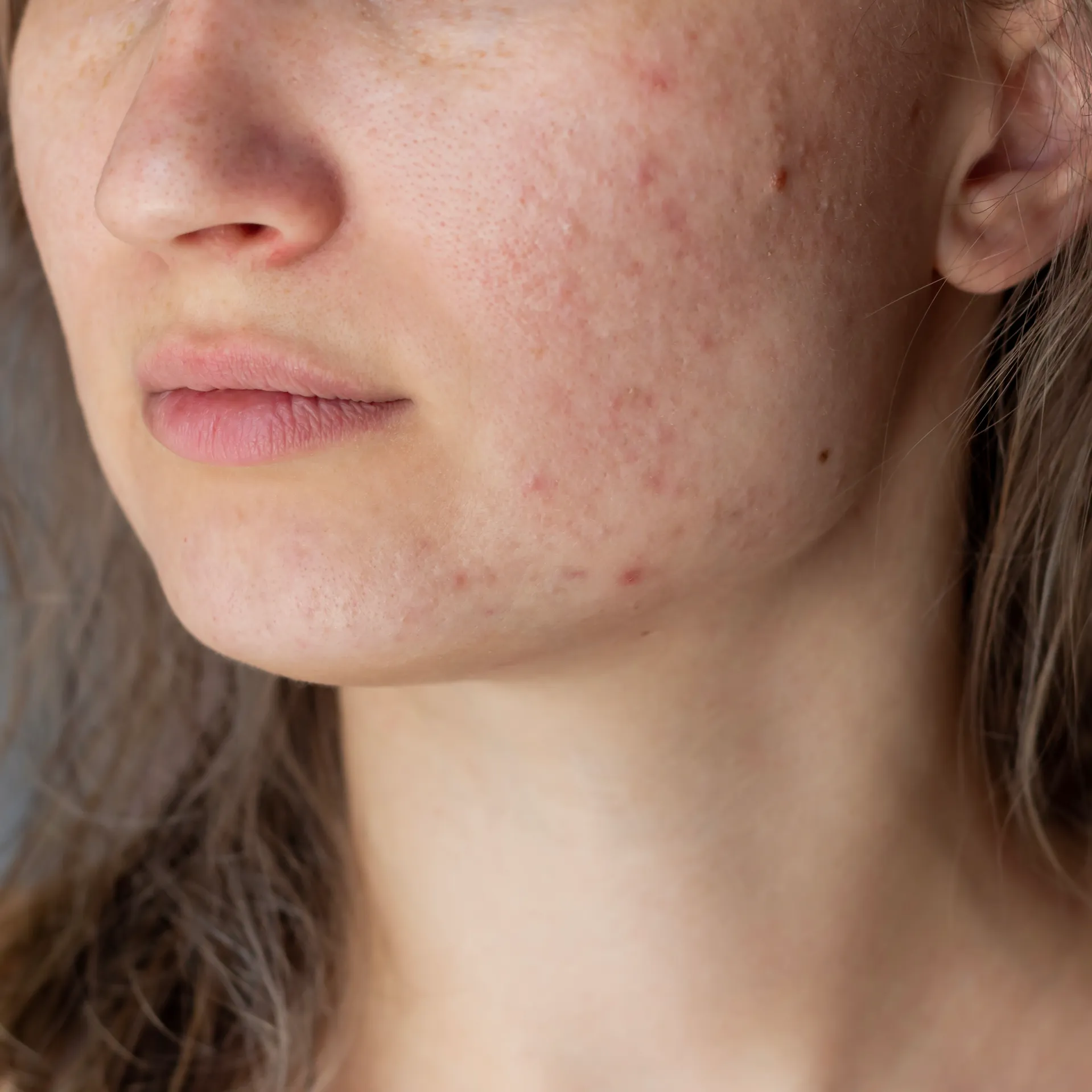
Hormonal acne can feel particularly frustrating, especially when it appears well beyond our teenage years. Breakouts along the jawline or lower face often seem to arrive without warning, and many people find themselves cycling through products in the hope of finding something that finally works.
Adult acne is more common than we often realise. Hormonal shifts, stress, lifestyle factors, and how we care for our skin can all play a role. There isn’t a single fix, but gentle, supportive changes can help calm the skin and improve how it behaves over time.
This guide explores natural, skin-kind ways to support hormonal acne, focusing on consistency, barrier awareness, and realistic expectations rather than harsh treatments or quick fixes.
Hormonal acne is closely linked to fluctuations in hormones such as oestrogen, progesterone, and androgens. These shifts can increase oil production and affect how skin cells shed, making pores more likely to become congested.
This type of acne commonly shows up on the lower cheeks, jawline, and chin, and may present as persistent spots or deeper blemishes that are slow to heal. Changes in menstrual cycles, coming off or starting hormonal contraception, and periods of hormonal transition can all influence flare-ups.
Because hormones are only part of the picture, topical skincare alone rarely solves the issue, but it can play a supportive role.
Stress and skin are closely connected. Ongoing stress raises cortisol levels, which can disrupt hormonal balance and increase inflammation in the body, including the skin.
Common contributors include:
Supporting hormonal acne often means supporting the nervous system too. Gentle changes can help:
These shifts won’t eliminate acne overnight, but they can reduce one of the factors that keeps skin in a reactive cycle.
When skin is hormonally reactive, less is often more. Over-cleansing, harsh actives, and aggressive treatments can compromise the skin barrier, making breakouts harder to manage.
Choose a mild cleanser that removes makeup and daily impurities without stripping the skin. Cleansing balms or gentle oil cleansers can be especially helpful, as they dissolve debris while supporting the skin’s natural lipids. If needed, follow with a gentle second cleanse that’s free from sulphates and harsh foaming agents.
Even acne-prone skin needs hydration. Skipping moisturiser can lead to increased oil production and further imbalance. Look for lightweight, non-comedogenic formulas that focus on skin comfort rather than heavy occlusion.
Barrier-supportive ingredients help skin tolerate hormonal fluctuations more calmly over time.
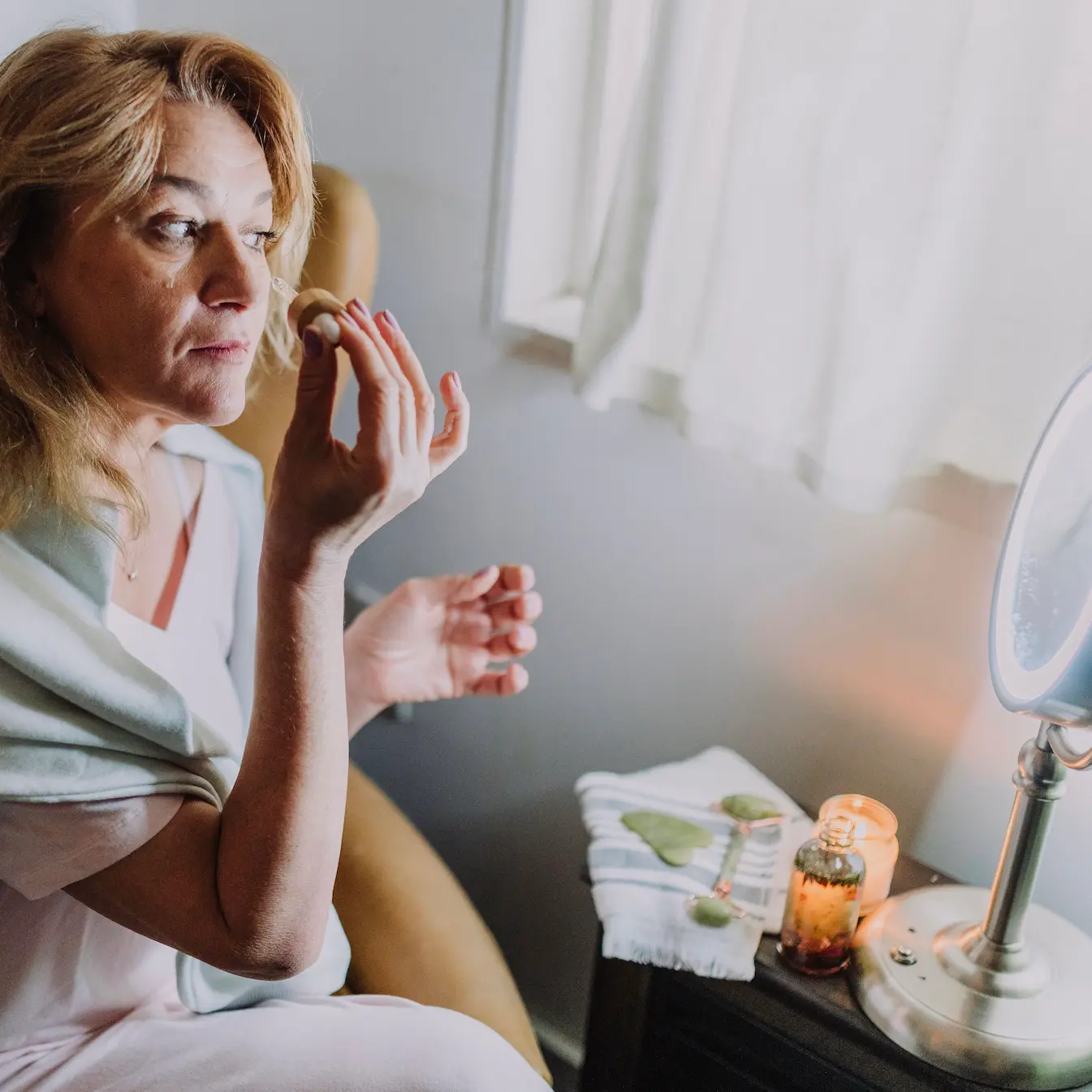
Used correctly, face oils can help support balance rather than worsen breakouts. Lightweight, well-chosen oils can soften the skin, reduce tightness, and help prevent over-compensation from the sebaceous glands.
The key is choosing oils suited to acne-prone skin and using them sparingly, rather than layering too heavily.
You may also find it helpful to read my guide on using face oils for acne-prone skin, which explores how the right oils can support balance without clogging pores.
Daily sun protection is important, even when dealing with acne. UV exposure can worsen inflammation and slow healing. Mineral sunscreens containing zinc oxide or titanium dioxide are often better tolerated by hormonally reactive skin.
Some long-wear or heavy foundations can be harder to remove fully, which may contribute to congestion if skin is already prone to breakouts. Choosing lighter formulas and cleansing thoroughly at the end of the day can be more supportive for hormonally reactive skin.
Diet doesn’t cause acne on its own, but it can influence hormone regulation and inflammation.
Highly processed foods and refined sugars can trigger insulin spikes, which may contribute to hormonal imbalance. Supporting skin health through diet can include:
These changes don’t need to be extreme. Gentle, sustainable adjustments are far more effective than restrictive approaches.
Managing hormonal acne naturally is rarely about finding a single product or solution. It’s about creating a supportive routine that respects the skin barrier, reduces unnecessary stress on the skin, and allows time for balance to return. Focusing on gentleness and consistency is often the most supportive place to start.
If you’re exploring skincare for hormonal or acne-prone skin, you can browse our acne skincare collection here, which includes gentle options and mini sizes if you prefer to begin slowly and see how your skin responds.


Sarah is the founder of certified palm oil free natural skincare brand Amaranthine. She is a qualified organic skincare formulator and has diplomas in Beauty Therapy and Clinical Aromatherapy.


