

January 12, 2024
•
2.5 MIN READ

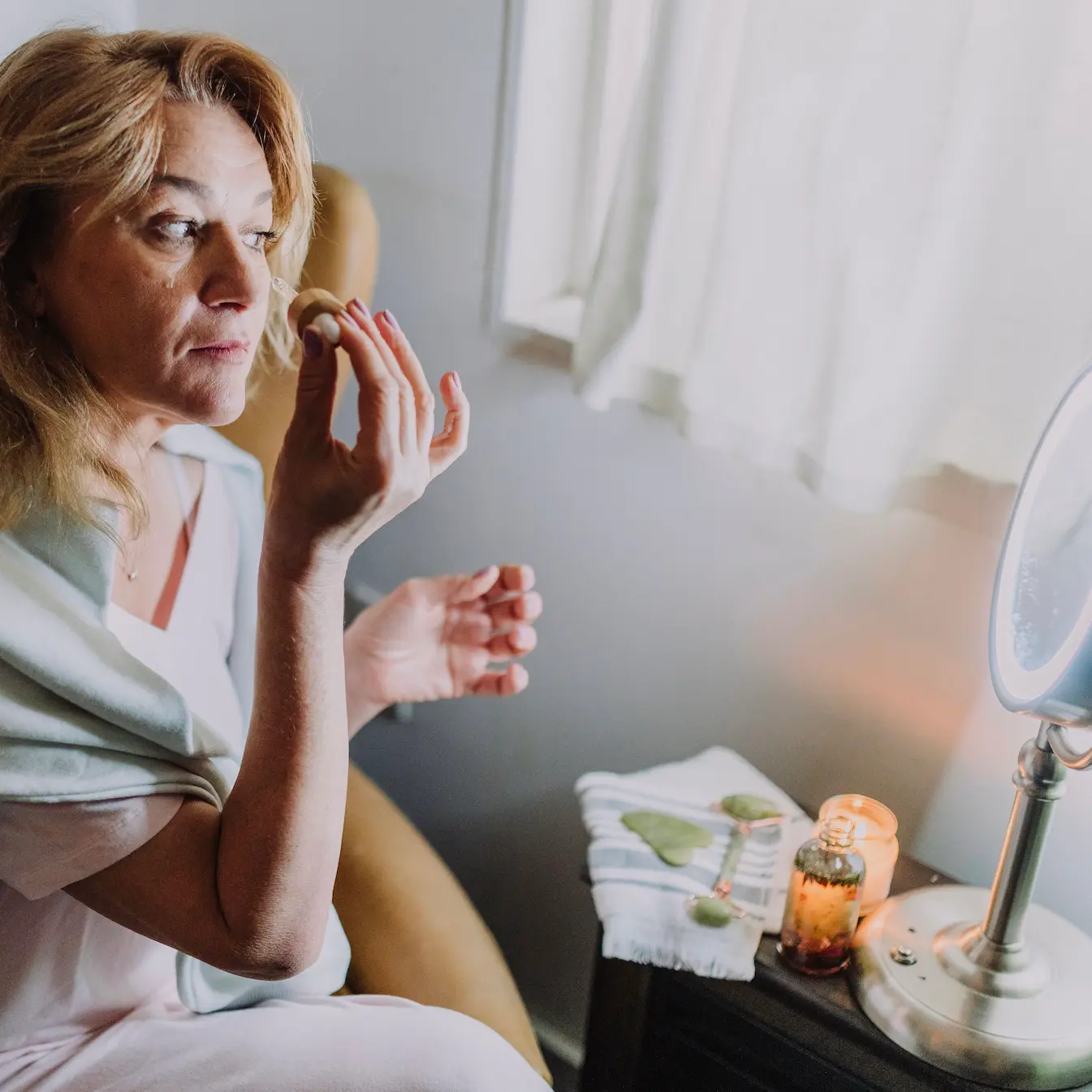
Centella asiatica, also known as Gotu kola and often called Cica in Korean skincare, is a plant extract with a long history of use in traditional medicine. In modern skincare, it’s valued for its ability to calm, comfort, and support skin that feels sensitive, reactive, or out of balance.
Rather than being a passing trend, Centella asiatica has become a staple ingredient in many gentle skincare formulas, particularly those designed to support the skin barrier. So what does Centella actually do for the skin, and who is it best suited for?
This guide explores the key skin benefits of Centella asiatica, how it works, and why it’s often recommended for sensitive, acne-prone, and compromised skin.
Centella asiatica is a small, leafy plant that grows in damp, marshy areas across parts of Southeast Asia. It’s also known as Gotu kola, and in skincare you may see it referred to as Cica.
The plant has been used for centuries in traditional practices, particularly in Asia, where it was valued for supporting skin comfort and recovery. Over time, this long history of use helped shape interest in Centella asiatica as a skincare ingredient.
Today, Centella is widely used in modern skincare formulas, especially those designed for sensitive, reactive, or compromised skin. Rather than being included for trend appeal, it’s chosen for its ability to help calm the skin and support overall skin health.
In skincare, Centella asiatica is sometimes described as an adaptogenic ingredient, meaning it’s valued for helping skin respond more comfortably to everyday environmental stress.
Its benefits are linked to naturally occurring compounds known as triterpenoids, including asiaticoside, madecassoside, asiatic acid, and madecassic acid. These compounds are widely studied and are thought to contribute to Centella’s soothing and skin-supportive properties.
In skincare formulations, Centella asiatica is commonly used to help:
Rather than working as a quick fix, Centella is typically included in formulas designed to support skin comfort, balance, and resilience with regular use.
Centella asiatica is often included in skincare for acne-prone skin because of its calming and balancing properties. It may help soothe visible redness and discomfort around breakouts, while supporting the skin as it recovers. This makes it a popular choice in gentle formulas designed for blemish-prone skin that needs comfort rather than harsh treatment.
With its naturally soothing profile, Centella asiatica is widely used in products formulated for sensitive or easily reactive skin. It’s commonly chosen to help skin feel calmer and more comfortable, particularly when irritation or flushing is a concern.
Centella asiatica is frequently used in barrier-supportive skincare. By helping to support the skin’s natural protective barrier, it can assist the skin in retaining moisture and maintaining hydration, which is especially important for compromised or stressed skin.
Compounds such as madecassoside are studied for their role in supporting skin structure over time. In skincare, Centella asiatica is often included in age-supportive formulas to help skin feel smoother and more resilient, rather than as a quick fix for fine lines.
Centella asiatica has a long history of use in products designed to support skin recovery. In modern skincare, this usually means helping the skin feel more settled and supported after irritation, rather than treating wounds or skin conditions.
In Korean skincare, Cica is a commonly used term for Centella asiatica. It’s especially popular in formulas designed for sensitive or stressed skin, where gentle, supportive ingredients are prioritised.
Centella appears in a wide range of K-Beauty products, including creams, serums, toners, and masks. Its popularity comes from its versatility and suitability for many skin types, particularly when skin feels reactive due to environmental stress or over-exfoliation.
Centella asiatica isn’t about dramatic overnight changes. Instead, it’s valued for its role in supporting skin comfort, balance, and resilience over time.
If you’re curious to try Centella in your routine, look for well-formulated products where it’s used alongside barrier-supportive ingredients. For example, our Superactive Day Cream includes Centella asiatica as part of a broader formulation designed to support hydration, calm visible redness, and strengthen the skin barrier, without feeling heavy or greasy.
The following studies explore Centella asiatica in cosmetic and dermatological research for those who’d like to read further:
Moisturising and Anti-inflammatory Properties of Cosmetic Formulations Containing Centella asiatica extract
https://www.ncbi.nlm.nih.gov/pmc/articles/PMC4852572/
Centella asiatica in Cosmetology
https://www.ncbi.nlm.nih.gov/pmc/articles/PMC3834700/
Pharmacological Effects of Centella asiatica on Skin Diseases: Evidence and Possible Mechanisms


Sarah is the founder of certified palm oil free natural skincare brand Amaranthine. She is a qualified organic skincare formulator and has diplomas in Beauty Therapy and Clinical Aromatherapy.


